Tuesday, January 27, 2009
Schubert, Schumann, Breval, and No Shows
Since we didn't have the violinist, we skipped rehearsing the Schumann for the second week in a row. At least this time, I hadn't been practicing it all week.
At the end of class, the violist was working up a Bruch piece, so I grabbed a pianist to try out the Breval in super slow mode. The run through wasn't too bad. Only missed a few notes and the mordents. I knew the piece well enough that when we got off track, it was fixable. Who knows, maybe I'll get to play it for this term's recital.
Progress Report on memorizing Suzuki Book I. I'm having my usual issue with remembering which notes are slurred.
Studying Chinese Again
Sunday, January 25, 2009
Caught Cheating
Friday, January 23, 2009
Short Term Goal
Thursday, January 22, 2009
Countdown 13.3
FAUVISM AND ESPRESSIONISM
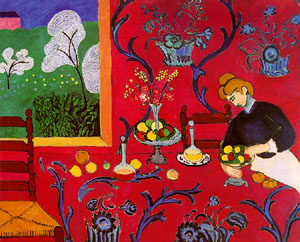
The Red Room (Harmony in Red)
1908-1909
Georges Rouault
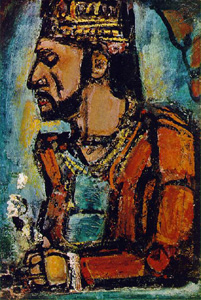
The Old King
1916-1936
Oskar Kokoschka
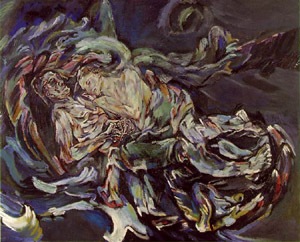
Bride of the Wind
Austrian
1914
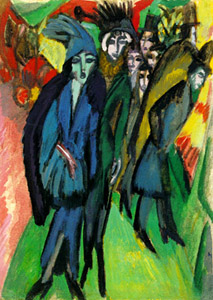
Ernst Ludwig Kirchner
Street Scene, Berlin
1913
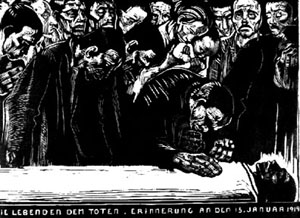
Kathe Kollwitz
Memorial to Karl Liebnecht
1919
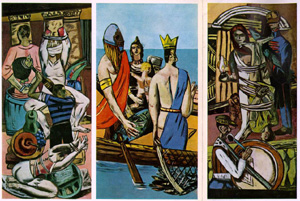
Max Beckmann
Departure
1932-1933
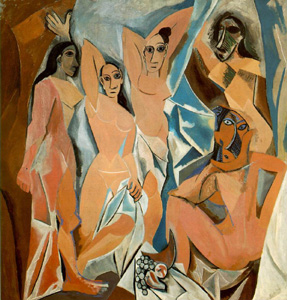
CUBISM
Les Demoiselles d'Avignon
1907
193. Pablo Picasso
Still Life with Chair Caning
collage
1912
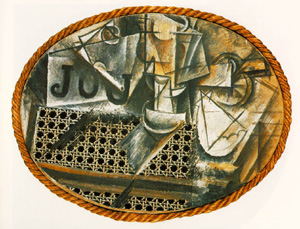
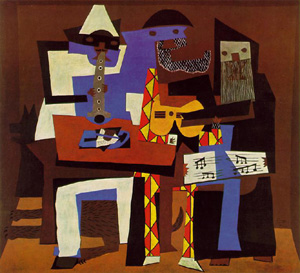
194. Pablo Picasso
Three Musicians
1921
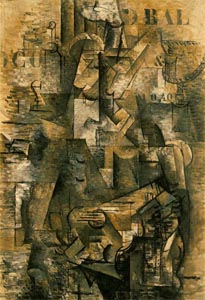
Georges Braque
The Portuguese
1911
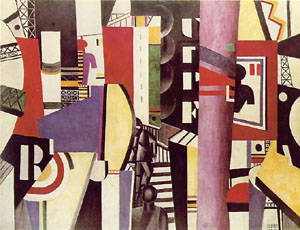
196. Fernand Leger
The City
1919
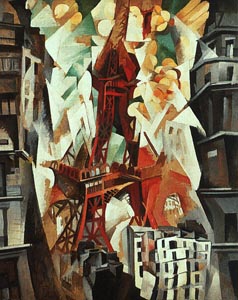
Robert Delaunay
Eiffel Tower
1911
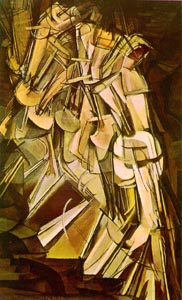
Marcel Duchamp
Nude Descending a Staircase
1912
FUTURISM
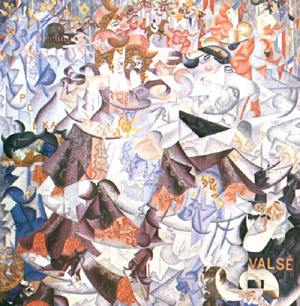
Gino Severini
Dynamic Hieroglyph of the Bal Tabarin
1912
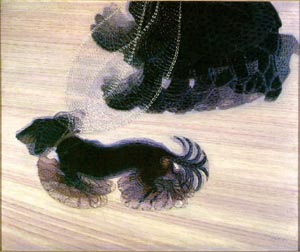
Giacomo Balla
Dog on a Leash
1912
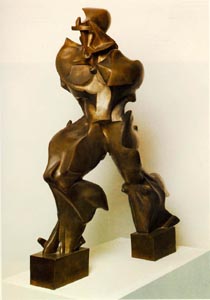
Umberto Boccioni
Unique Forms of Continuity in Space
1913
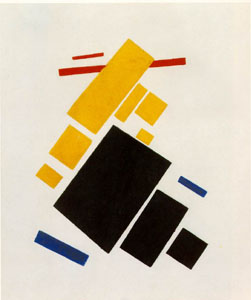
Kasimir Malevich
Suprematist Composition: Airplane Flying
1915
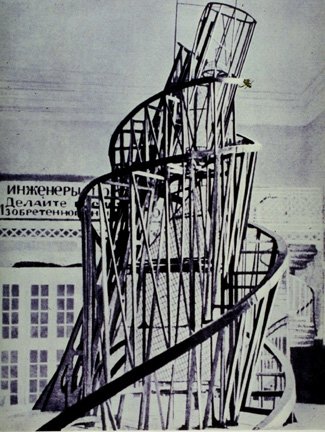
203. Vladimir Tatlin
Monument to the Third International
1920
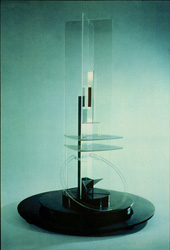
Naum Gabo
Column
1923, rebuilt 1938
DE STIJL (Holland)
Piet Mondrian
Composition in Blue, Yellow, and Black
1936, Dutch
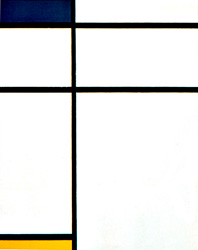
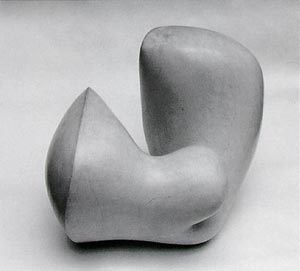
206. Hans Arp
Human Concretion
Alsatian
1935
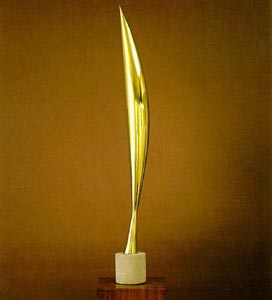
207. Constantin Brancusi
Brid in Space
metal ? brass
Rumanian
1928
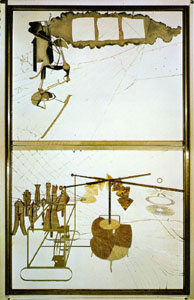
Marcel Duchamp
The Bride Stripped Bare by Her Bachelors
French
Glass
1936
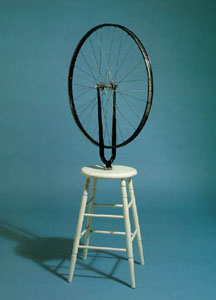
Marcel Duchamp
Bicylce Wheel
French
Ready Made
1913
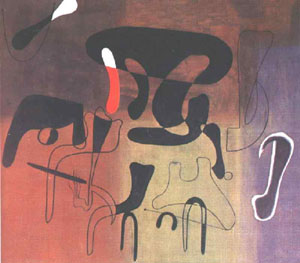
.Joan Miro
Painting
1933
SURREALISM
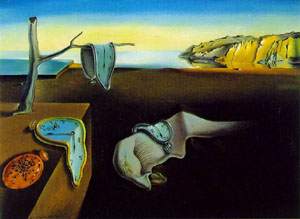
Salvador Dali
The Persistence of Memory
Spanish
1931
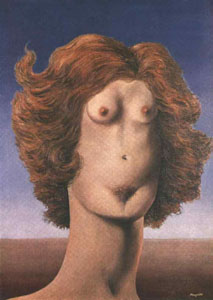
Rene Magritte
The Rape
1934
1930's ART & IDEOLOGY
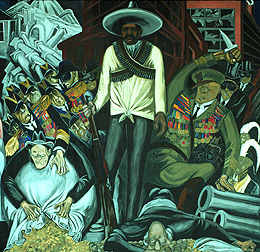
Jose Clemente Orozco
Epoch of American Civilization: Hispano-America
Mexican
1932-34
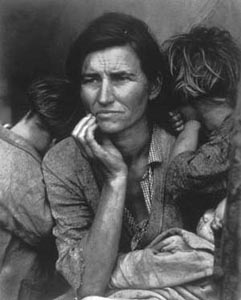
Dorothy Lange
Migrant Mother
American
1936
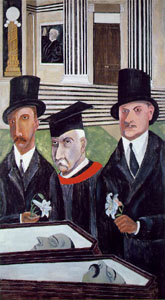
Ben Shahn
The Passion of Sacco and Vanzetti
American
1931-32
Jacob Lawrence
No. 36 During the Truce Toussait is Deceived...
American
1937-38

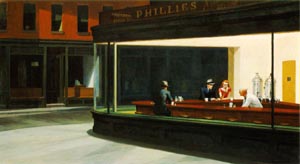
220. Edward Hopper
Nighthawks
American
1942
POSTMODERN
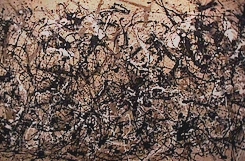
Jackson Pollock
Autumn Rhythms (1950)
American
1947
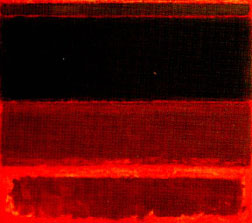
Mark Rothko
Four Darks on Red
American
1958
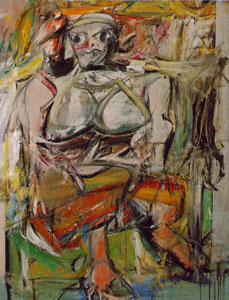
Willem de Kooning
Woman I/IV
American
1952
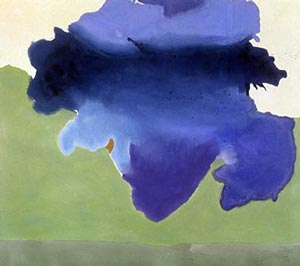
1967
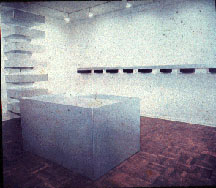
226. Donald Judd
Untitled
Stainless Steel Boxes
American
1968
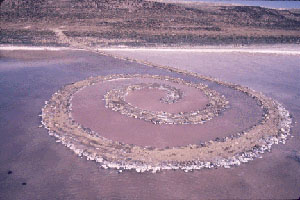
Robert Smithson
Spiral Jetty
American
Earthwork
1970
FIGURATIVE ART - POST WWII
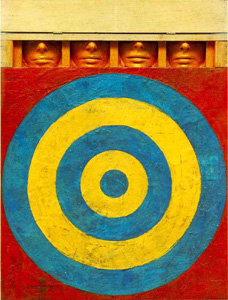
Jasper JohnsTarget with Four Faces
American
1955
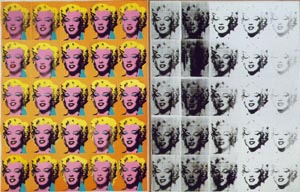
Andy Warhol
Marilyn Monroe Diptych
American
1962
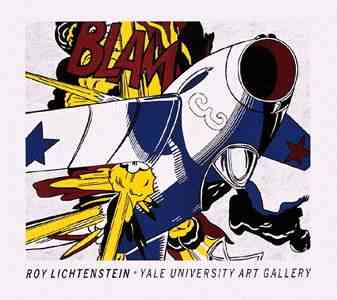
Roy Lichtenstein
Blam
American
1962
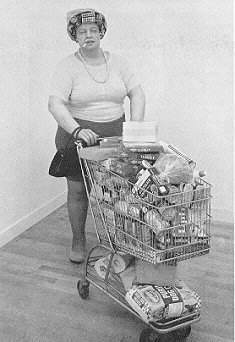
Supermarket Shopper
American
1970
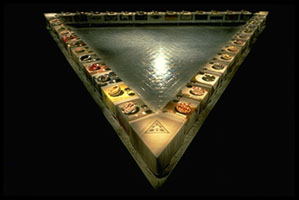
Judy Chicago
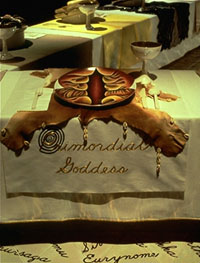
The Dinner Party
American
1979

20th CENTURY ARCHITECTURE
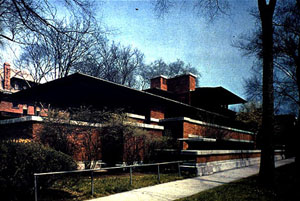
Frank Lloyd Wright
Robie House
Chicago
American
1909
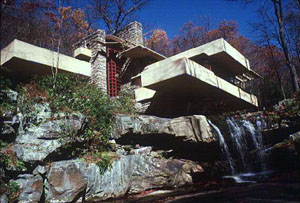
Frank Lloyd Wright
Kaufmann House (Falling Water)
Bear Run, Pennsylvania
American
1936-40
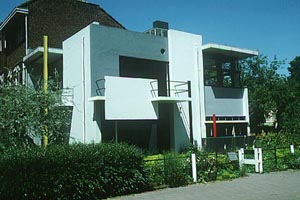
Gerrit Rietveld
Schroeder House
Utrecht
Dutch, de Stijl
1924
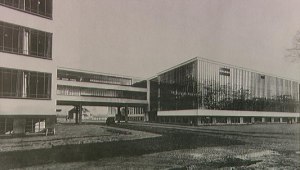
Walter Gropius
The Bauhaus
Dessau, Germany
German
1925-26
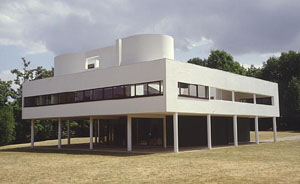
Le Corbusier (Charles Edouard Jeanneret)
Villa Savoye
Poissy, France
French
1929-30
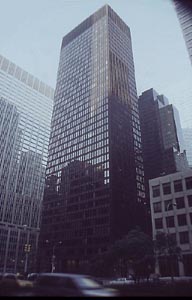
Mies van der Rohe
Seagram's Building
New York with Philip Johnson
1958
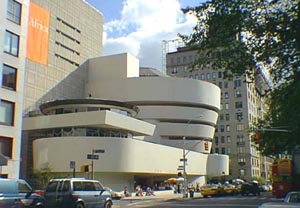
Frank Lloyd Wright
The Solomon R. Guggenheim Museum
New York
American
1946-59
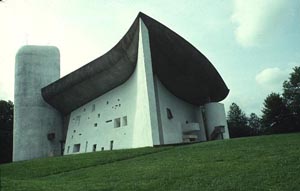
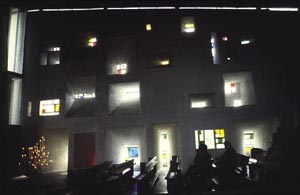
245. Le Corbusier
Notre Dame du Haut, Ronchamp (exterior)
Notre Dame du Haut, Ronchamp (interior)
Ronchamp, France
French
1950-55
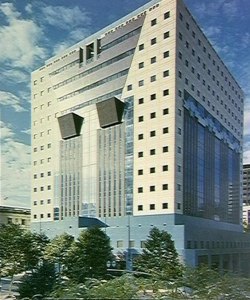
Michael Graves
Public Service Building
Portland
American
1981-83
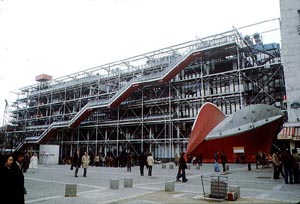
Renzo Piano
Centre Georges Pompidou (The Beaubourg)
Paris, with Richard Rogers
1977
Philip Johnson
AT&T Building
New York
1978

Countdown 13.2
Survey of Art History - 19th Century
William Blake
The Ancient of Days
frontpiece for Europe: A Prophecy
1794
Francisco Goya
3rd of May, 1808
1814
Francisco Goya
Saturn Devouring One of his Children
1819-1823
Gros
Napoleon at the Pest House of Jaffa
1804
Gericault
The Raft of the Medusa
1819
Delacroix
Liberty on the Barricades
1830
Runge
Morning

Slave Ship
1840
Constable
The Haywain
1821

Caspar David Friedrich
Cloister Graveyard in the Snow
1808-1810

Caspar David Friedrich
Abbey in an Oak Forest
1808-1810

REALISM AND NATURALISM
Courbet
The Burial at Ornans
1848-1849

Millet
The Gleaners
1857
Daumier
The 3rd Class Carriage
c. 1862
Eduoard Manet
Dejeuner Sur L'herbe (The Picnic)
1863

PRE-RAPHAELITES AND THE AESTHETIC MOVEMENT
Millais
Ophelia
1851-1852

160. Whistler
Nocturne in Blue and Gold: Old Battersea Bridge
1877
IMPRESSIONISM
Caillebotte
Paris: A Rainy Day
1877
Degas
Ballet Rehearsal: Adagio
1876
Renoir
Le Moulin de la Galette
1876
Edouard Manet
Bar at the Folies-Bergere
1882

Monet
Luncheon (Decorative Panel)
1874

Monet
Rouen Cathedral: The Portal
1893
Mary Cassatt
The Bath
1892
POST IMPRESSIONALISM
Seurat
La Grande Jatte
1884-1886
Cezanne
Mont Sainte-Victoire with Viaduct
1885-1887
Cezanne
Still Life with Peppermint Bottle
ca 1894
Gauguin
The Vision after the Sermon (Jacob Wrestling with the Angel)
1888
Gauguin
Spirit of the Dead, Watching
1892
Vincent Van Gogh
Starry Night
1889
Auguste Rodin
Walking Man
bronze
1877/1905

Barry and Pugin
Houses of Parliament
1840s
Richard Morris Hunt
The Breakers
Newport, Rhode Island
1892-1895

Joseph Paxton
Crystal Palace
1889
Gustave Eiffel
Eiffel Tower
Paris
1887-1889

Louis Sullivan
Guaranty Building
Buffalo, US
1894-1895
Louis Sullivan
Carson, Pirie, Scott Department Store
Chicago
1899-1904
Victor Horta
Van Eetvelde House
Brussels
1895
Antoni Gaudi
Casa Mila
Barcelona, Spain
1905-1910

Countdown 13.1
ITALIAN BAROQUE
Caravaggio
The Conversion of Saint Paul
Santa Maria del Popolo, Rome
1601


Caravaggio
Calling of Saint Matthew
San Luigi dei Francesi, Rome
1600

Caravaggio
Death of the Virgin
Louvre, Paris
1606

Artemisia Gentileschi
Judith and Maidservant
Institute of the Arts, Detroit
1625

Francesco Borromini
San Carlo alle Quattro Fontane
Rome
1665-1676

Gianlorenzo Bernini
David
Galleria Borghese, Rome
1623

Gianlorenzo Bernini
The Ecstasy of Saint Theresa
Santa Maria della Vittoria, Rome
1645-1652

Gianlorenzo Bernini
Piazza and Colonnade
Sculpture and architecture at saint Peter's, Rome

Gianlorenzo Bernini
Baldacchino
at the crossing of the church over the tomb of Saint Peter
Saint Peter's, Rome

Gianlorenzo Bernini
Cathedra Petri
The throne of Saint Peter
Saint Peter's, Rome

. El Greco
The Burial of Count Orgaz
Santo Tome, Toledo
1586
El Greco
Portrait of Fray Hortensio Felix Paravicino
Museum of Fine Arts, Boston
1609

Jose (Jusepe) de Ribera
The Martyrdom of Saint Bartholomew
Prado, Madrid
1639

Diego Velazquez
Los Borrachos ("The Drinkers")
Prado, Madrid
1628

Diego Velazquez
Portrait of Juan Pareja
Metropolitan Museum, New York
1650

Diego Velazquez
Las Meninas ("The Maids in Waiting")
Prado, Madrid
1656

BAROQUE IN THE LOW COUNTRIES
Peter Paul Rubens
The Elevation of the Cross
Antwerp Cathedral
1610

Peter Paul Rubens
The Abduction of the Daughters of Leucippus
Alte Pinakothek, Munich
1617

Peter Paul Rubens
The Arrival of Marie de' Medici at Marseilles
Louvre, Paris
1622-1625

Gerrit van Honthorst
Supper Party
Uffizi, Florence
1620
Jacob van Ruisdael
View of Haarlem
Royal Picture Gallery, The Hague
1670
Willem Claesz Heda
Still Life
Boymans-van Beuningen Museum, Rotterdam
1634

Rembrandt van Rijn
Supper at Emmaus
Louvre, Paris
1648
Rembrandt van Rijn
Return of the Prodigal Son
Hermitage Museum, Saint Petersburg (Leningrad)
1665

106. Rembrandt van Rijn
The Three Crosses
etching, 4th state
1653

Rembrandt van Rijn
The Conspiracy of Julius Civilis
National Museum, Stockholm
1661

FRENCH BAROQUE
Georges de la Tour
Adoration of the Shepherds
Louvre, Paris
1645-1650

Nicolas Poussin
The Burial of Phocion
Louvre, Paris
1648
Nicolas Poussin
Et in Arcadia Ego
Louvre, Paris
1655

Claude Lorrain (Claude Gellee)
Embarkation of the Queen of Sheba
National Gallery, London
1648
Claude Lorrain (Claude Gellee)
Pastoral Landscape
Private collection
1640s

Louis le Vau, Claude Perrault, Charles le Brun
East Facade of the Louvre
Paris
1667-1670

Louis Le Vau, Jules Hardouin-Mansart
Garden Facade of Versailles
Versailles
1669-1685
Jules Hardouin-Mansart, Charles Le Brun
Galerie des Glaces (Hall of Mirrors)
Versailles
1680

Francois Girardon
Apollo Attended by the Nymphs
Gardens of Versailles
1666-1672
Francois de Cuvillies
Amalienburg (Hunting Lodge)
palace grounds of Nymphenburg, near Munich
1734-1739
ROCCOCO
Antoine Watteau
Return from Cythera
Louvre, Paris
1716

123. Jean-Honore Fragonard
The Swing
Wallace Collection, London
1766

Clodion (Claude Michel)
Nymph and Satyr
terracotta
Metropolitan Museum, New York
1775

NATURALISM AND THE AGE OF ENLIGHTENMENT
Jean Baptiste Simeon Chardin
Grace at Table
Louvre, Paris
1740
Paul Revere
Museum of Fine Arts, Boston
1768-1770
The Village Bride
1761
Hogarth
Breakfast Scene from Marriage a la Mode
1745
Benjamin West
The Death of General Wolfe
1771

Inigo Jones
Whitehall Banqueting House
London
1619-1622

Lord Burlington (Richard Boyle) and William Kent
Chiswick House
near London
1725+

131. Thomas Jefferson
Monticello
Charlottesville
1770-1806


Jupiter and Thetis
engraving
1790s
Kauffman
Cornelia, Mother of the Gracchi
1785
Jacques Louis David
Oath of the Horatii
1784
Jacques Louis David
Death of the Marat
1793
Soufflot
Ste. Genevieve (Pantheon)
1755-1792
Canova
Pauline Borghese as Venus
1808
Ingres
Grand Odalisque
1814

Ingres
Princesse de Broglie
1853
Countdown 13
BYZANTINE
Bonaventura Berlinghieri
Saint Francis Altarpiece

Pescia, San Francesco (Italy)
1235
BYZANTINE
Cimabue
Madonna Enthroned

Florence (Italy)
1280-1290
PROTO-RENAISSANCE
Giotto di Bondone
Madonna Enthroned

Florence (Italy)
1310
Giotto di Bondone
Lamentation over Christ

Arena Chapel Frescoes
Padua (Italy)
1305-1308
Giotto di Bondone
Meeting of Joachim and Anna at the Golden Gate

Arena Chapel Frescoes
Padua (Italy)
1305-1308
LATE GOTHIC
Simone Martini
Annunciation

Sienese (Italy)
1333
The Limbourg Brothers
Les Tres Riches Heures du Duc de Berry (The Book of Hours): May

France
1413-1416
Gentile Da Fabriano
The Adoration of the Magi

Florence (Italy)
1423
EARLY RENAISSANCE
Masaccio
Expulsion

Brancacci Chapel, Florence
1425

Brancacci Chapel, Florence
1427

Florence
1428

Orsanmichele, Florence
1411-1413
Donatello
Feast of Herod

bronze relief
Siena
1425
Donatello
The Penitent Magdalen

wood
Florence
1454-1455
Donatello
David
Hospital of the Innocents (Ospedale degli Innocenti)

Florence
1419-24
Filippo Brunelleschi
Church of Santo Spirito


Florence
c. 1436
MIDDLE RENAISSANCE
Leon Battista Alberti
Palazzo Rucellai, Facade

Florence
1452-70
Leon Battista Alberti
Santa Maria Novella, facade

Florence
1458-1470
Leon Battista Alberti
Sant'Andrea


Mantua
c. 1470
Bernardo Rossellino
Tomb of Leonardo Bruni

Santa Croce, Florence
1445-50
Antonio Pollaiuolo
Hercules and Antaeus


Bronze
Florence
1475
Antonio Pollaiuolo
Battle of the Ten Nudes

Engraving
1465
Andrea Mantegna
Saint James Led To Martyrdom

Ovetari Chapel, Church of the Eremetani, Padua
1455 (destroyed)
Andrea Mantegna
Camera degli Sposi (Camera Picta)

Fresco
Mantua
1465-1474
Andrea Mantegna
Dead Christ

Milan
1501
Andrea del Castagno
The Last Supper

Sant'Apollonia, Florence
1445-1450
58. Andrea del Verrocchio
David

Florence
1465
Domenico Ghirlandaio
Portrait of Giovanna Tornabuoni

1488
HIGH RENAISSANCE
27. Leonardo da Vinci
Drawing of an Embryo in the Womb

1510
28. Leonardo da Vinci
The Virgin of the Rocks

Oil
1485
29. Leonardo da Vinci
The Virgin and Child with St. Anne and the Infant St. John

cartoon
1498
Michelangelo Buonarroti
Piazza and architecture on the Capitoline Hill

Rome
begun 1537
Michelangelo Buonarroti
Laurentian Library

Florence
begun 1524
The Last Judgement

Sistine Chapel Altar, Vatican
Fresco
1533-1541
Michelangelo Buonarroti
Rebellious Slave

meant for the tomb of Pope Julius II
1513-1516
Michelangelo Buonarroti
Dying Slave

meant for the tomb of Pope Julius II
1513-1516
Raphael
Galatea

Villa Farnesina, Rome
1513
Raphael
The School of Athens

Stanza della Segnatura, Vatican
1509-1511
Donato Bramante
Palazzo Caprini

Rome
c. 1510 (now destroyed)
Donato Bramante
Tempietto of San Pietro in Montorio

Rome
1504
VENETIAN ART DURING THE RENAISSANCE
Giovanni Bellini
Madonna and Child with Saints

also known as the San Zaccaria Altarpiece
San Zaccaria, Venice
Oils
1505
Giovanni Bellini
The Feast of the Gods

oils
1514
Titian
Sacred and Profane Love

oils
1515
Titian
Madonna of the Pesaro Family

Oils
Venice
1519-1526
Titian
Venus of Urbino

Oils
1538
Titian
Christ Crowned with Thorns

Oils
1573
NORTH RENAISSANCE
The Annunciation, with Saint Joseph and Donors

The Merode Altarpiece
Cloisters, New York
1425-1428
Jan van Eyck
Man in a Red Turban

National Gallery, London
1433
Jan van Eyck
Giovanni Arnolfini and his Bride

The Arnolfini Wedding
National Gallery, London
1434
Jan van Eyck
The Virgin with the Canon George van der Paele

Communal Museum, Bruges
1436
Rogier van der Weyden
The Escorial Deposition

Prado, Madrid
1435
Rogier van der Weyden
Portrait of a Lady

National Gallery of Art, Washington
1460
Hieronymus Bosch
The Garden of Earthly Delights triptych (Central Panel)
Creation of Eve
Hell

Prado, Madrid
1505-1510
Jan Gossaert (Mabuse)
Neptune and Amphitrite

Gemaldegalerie, Berlin
1516
Pieter Bruegel the Elder
The Peasant Dance

Kunsthistorisches Museum, Vienna
1567
Pieter Bruegel the Elder
Hunters in the Snow

Kunsthistorisches Museum, Vienna
1565
Martin Schongauer
St. Anthony Tormented by the Demons

engraving
1480-1490
Albrecht Durer
The Four Horsemen of the Apocalypse

woodcut
1498
Albrecht Durer
Adam and Eve

engraving
1504
74. Albrecht Durer
The Four Apostles (Left Side)
The Four Apostles (Right Side)

Alte Pinakothek, Munich
1526
Albrecht Durer
Hieronymus Holzshuher

Gemaldegalerie, Berlin
1526
Albrecht Durer
The Great Piece of Turf

watercolor
Albertina, Vienna
1503
Matthias Grunewald
Crucifixion

Grunewald - Resurrection

from the Isenheim Altarpiece
Musee d'Unterlinden, Colmar
1510-1515
Albrecht Altdorfer
The Battle of Issus

Alexander vs Darius
Alte Pinakothek, Munich
1529
Lucas Cranach
The Judgemnent of Paris

Metropolitan Museum, New York
1528
Agnolo Bronzino
Venus, Cupid, Folly, and Time

Oils
1546
Jacopo Pontormo
The Descent from the Cross

Oils
1525-1528
Parmigianino
Madonna of the Long Neck

Oils
1535
Giovanni da Bologna
Abduction of the Sabine Women

1579-1583
Guilio Romano
Palazzo del Te


Mantua
1525-1535
Guilio Romano
Hall of the Giants

Palazzo del Te, Mantua
1525-1535
Andrea Palladio
Church of San Giorgio Maggiore


Venice
1565
Andrea Palladio
Villa Rotonda or Villa Capra


Vicenza
1566-1570
Monday, January 19, 2009
Countdown 16
His most famous poem ‘Gitanjali’ was originally written in Bengali language. Tagore was born in Bengal in 1861. He writings tasted initial success as a writer in his native Bengal.
‘Gitanjali’ (‘song offerings’), is a collection of 103 poems. Originally written in Bengali, they were translated in English by Tagore himself. The characteristic feature of the collection is that the Introduction to Gitanjali was written by W.B.Yeats. Tagore had translated these songs from Bengali into English before his visit to England in 1912. His poems were well received in England.
‘Gitanjali’ begins with: “Thou hast made me endless, such is thy pleasure. This frail vessel thou emptiest again and again, and fillest it ever with fresh life.”
In one of the songs ‘Where mind is without fear’ Tagore has dreamed of a utopian land, a land of his dreams, a perfect place to live in.
Where the world has not been broken up into fragments by narrow domestic walls;
Where words come out from the depth of truth;
Where tireless striving stretches its arms towards perfection;
Where the clear stream of reason has not lost its way into the dreary desert sand of dead habit;
Where the mind is led forward by thee into ever-widening thought and action--
Into that heaven of freedom, my Father, let my country awake.”
Saturday, January 17, 2009
A New First
Friday, January 16, 2009
Countdown 20
Combining features of contemporary Western Roman and Byzantine buildings, Romanesque architecture is known by its massive quality, its thick walls, round arches, sturdy piers, groin vaults, large towers and decorative arcading. Each building has clearly defined forms and they are frequently of very regular, symmetrical plan so that the overall appearance is one of simplicity when compared with the Gothic buildings that were to follow. The style can be identified right across Europe, despite regional characteristics and different materials.
Gothic Architecture is a style of architecture which flourished during the high and late medieval period. It evolved from Romanesque architecture and was succeeded by Renaissance architecture.
Originating in 12th-century France and lasting into the 16th century, Gothic architecture was known during the period as "the French Style" (Opus Francigenum), with the term Gothic first appearing during the latter part of the Renaissance as a stylistic insult. Its characteristic features include the pointed arch, the ribbed vault and the flying buttress.
Gothic architecture is most familiar as the architecture of many of the great cathedrals, abbeys and parishchurches of Europe. It is also the architecture of many castles, palaces, town halls, guild halls, universities, and to a less prominent extent, private dwellings.
Renaissance architecture is the architecture of the period between the early 15th and early 17th centuries in different regions of Europe, in which there was a conscious revival and development of certain elements of ancient Greek and Roman thought and material culture.
The Renaissance style places emphasis on symmetry, proportion, geometry and the regularity of parts as they are demonstrated in the architecture of classical antiquity and in particular ancient Roman architecture, of which many examples remained. Orderly arrangements of columns, pilasters and lintels, as well as the use of semicircular arches, hemispherical domes, niches and aedicules replaced the more complex proportional systems and irregular profiles of medieval buildings.
Developed first in Florence, with Filippo Brunelleschi as one of its innovators, the Renaissance style quickly spread to other Italian cities and then to France, Germany, England, Russia and elsewhere.
Baroque architecture, starting in the early 17th century in Italy, took the humanist Roman vocabulary of Renaissance architecture and used it in a new rhetorical, theatrical, sculptural fashion, expressing the triumph of absolutist church and state. New architectural concerns for color, light and shade, sculptural values and intensity characterize the Baroque. But whereas the Renaissance drew on the wealth and power of the Italian courts, and was a blend of secular and religious forces, the Baroque was, initially at least, directly linked to the Counter-Reformation, a movement within the Catholic Church to reform itself in response to the Protestant Reformation. The Council of Trent (1545–1563) is usually given as the beginning of the Counter-Reformation.
The Baroque played into the demand for an architecture that was on the one hand more accessible to the emotions and, on the other hand, a visible statement of the wealth and power of the Church. The new style manifested itself in particular in the context of new religious orders, like the Theatines and the Jesuits, which aimed to improve popular piety. By the middle of the 17th century, the Baroque style had found its secular expression in the form of grand palaces, first in France—as in the Château de Maisons (1642) near Paris by François Mansart—and then throughout Europe.
St. Paul's Cathedral, London
Fountain of Trevi
Tuesday, January 13, 2009
Beyond the Comfort Zone
Countdown 22

![]() Susan Jaffe demonstrating first arabesque. | Arabesque [a-ra-BESK] One of the basic poses in ballet, arabesque takes its name from a form of Moorish ornament. In ballet it is a position of the body, in profile, supported on one leg, which can be straight or demi-plié, with the other leg extended behind and at right angles to it, and the arms held in various harmonious positions creating the longest possible line from the fingertips to the toes. The shoulders must be held square to the line of direction. The forms of arabesque are varied to infinity. The Cecchetti method uses five principal arabesques; the Russian School (Vaganova), four; and the French School, two. Arabesques are generally used to conclude a phrase of steps, both in the slow movements of adagio and the brisk, gay movements of allégro. |
trumeau : Medieval architecture term
Vertical architectural member between the leaves of a doorway. Trumeaus were often highly decorated with human and animal forms.
See also: jamb,trumeau figure.

St. Pierre, Moissac, France
Early twelfth century
![]() | |
![]() | |
![]() |
There are also two other types of classical orders, the Tuscan and the Composite. The Tuscan order is very plain, with a plain shaft, a simple capital and base, and a plain frieze. The Composite order is a combination of the Ionic and Corinthian orders.